When you’re deciding between tankless and tank water heaters, it’s essential to weigh factors like energy efficiency, space requirements, and long-term costs. Each has benefits and drawbacks that might suit your specific needs. Tankless water heaters offer on-demand hot water and longer lifespans, while tank heaters usually have lower upfront costs and simpler installation processes. Understanding how these options align with your household’s hot water demands can guide you to the right choice.
Understanding Tank Water Heaters
When you use a traditional tank water heater, it stores a specific volume of water in its insulated tank, heating it to a preset temperature for on-demand use. This system’s simplicity and lower upfront cost are advantageous, but it also leads to standby heat loss and limited hot water supply. Considering these factors, you’ll need to weigh the efficiency and capacity limitations against the immediate availability of hot water.
How Traditional Tank Water Heaters Store and Deliver Hot Water
Traditional tank water heaters, often found in homes, efficiently store and deliver hot water by using a large insulated tank. Inside, a heating element or gas burner maintains water temperature, ensuring a steady supply for your household’s needs. The tank’s insulation minimizes heat loss, enhancing heating efficiency and reducing energy consumption. When you open a tap, hot water exits from the top, while cold water enters at the bottom, maintaining constant hot water storage. This design allows you to serve others by providing immediate access to hot water, essential for hygiene and comfort. Regular maintenance, like flushing sediment, is critical for peak performance. Understanding these mechanics helps you make informed decisions about your home’s water heating solutions.
Pros and Cons of Using a Conventional Tank Water Heater
While traditional tank water heaters efficiently store and deliver hot water through their insulated design, it’s important to weigh their advantages and drawbacks to understand their role in your home. Consider these factors:
- Energy Consumption: Tank water heaters continuously maintain a set temperature, leading to higher energy use compared to on-demand systems.
- Installation Space: They require significant space, a notable concern in homes with limited areas for appliances.
- Heating Efficiency: Though reliable, they may lose heat over time, impacting overall efficiency and potentially increasing utility costs.
- Cost and Lifespan: Generally, they have a lower upfront cost but may need replacement sooner than tankless options, affecting long-term value.
Exploring Tankless Water Heaters
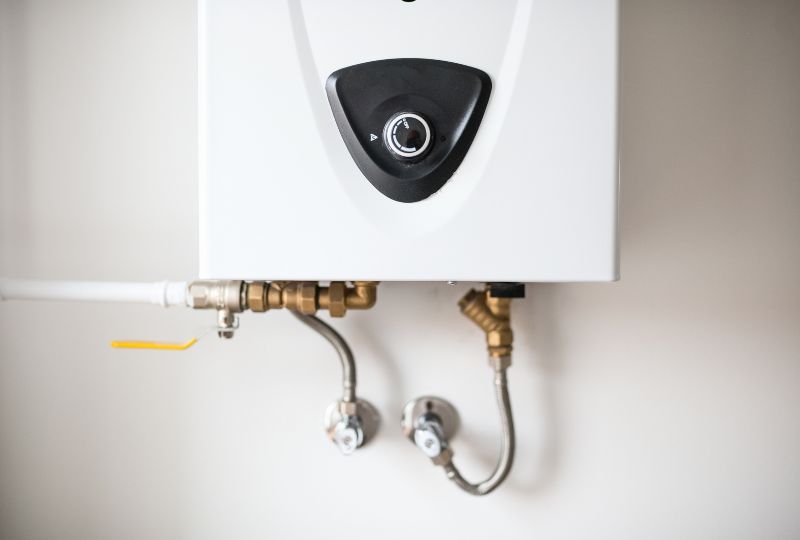
When you switch to a tankless water heater, you’re opting for a system that heats water only as needed, providing on-demand hot water without the limitations of a storage tank. This modern approach not only saves energy by eliminating standby heat loss but also offers the advantage of a continuous hot water supply, ideal for households with high demand. Additionally, tankless systems often have a longer lifespan and require less space, making them an efficient and practical choice for modern homes.
How Tankless Water Heaters Provide On-Demand Hot Water
Although tankless water heaters differ greatly from conventional models, they excel in providing on-demand hot water with remarkable efficiency. By heating water only when needed, they eliminate standby heat loss, ensuring energy conservation. These systems activate instant heating through high-powered burners or electric coils, which heat water as it flows through the unit, rather than storing it. Here’s how they work:
- On-Demand Efficiency: Heats water only when you turn on a faucet, reducing energy waste.
- Instant Heating: Provides hot water in seconds without waiting.
- Compact Design: Saves space, allowing for more room in utility areas.
- Longevity: Typically lasts longer than traditional tanks, serving your needs better over time.
Benefits of Switching to a Modern Tankless System
Switching to a modern tankless water heater offers several compelling benefits that enhance both efficiency and convenience in your household. You’ll experience significant energy savings since these units heat water on demand, eliminating the energy wasted by continuously heating a full tank. Modern technology in tankless systems allows for precise temperature control, ensuring hot water is always available when needed. Installation flexibility is another advantage; these compact units can be installed in a variety of locations, making them ideal for homes with limited space. Additionally, tankless systems are designed to last longer than traditional tank heaters, providing a sustainable option for those committed to reducing their carbon footprint while serving the needs of their household efficiently and responsibly.
Cost Comparison: Tankless vs. Tank
When comparing tankless and tank water heaters, you’ll notice that upfront installation costs can vary considerably. Tankless models usually have higher initial costs due to more complex installation requirements, but they can offer substantial long-term energy savings. To determine which water heater provides the best value over time, consider the balance between these initial expenses and the potential reduction in energy bills.
Upfront Installation Costs vs. Long-Term Energy Savings
Understanding the cost dynamics between tankless and tank water heaters is essential for making an informed decision. When evaluating installation expenses, tank water heaters typically have a lower initial cost due to simpler installation processes. However, tankless systems, though pricier upfront, offer significant energy savings over time.
Consider the following cost analysis:
- Installation Expenses: Tankless units require specialized work, potentially raising initial costs.
- Energy Savings: Tankless heaters provide up to 34% more efficiency for a large household.
- Maintenance Costs: Tank models may need more frequent maintenance, affecting overall expenses.
- Lifespan Consideration: Tankless systems often last longer, enhancing long-term value.
Which Water Heater Offers the Best Value Over Time?
How do you determine which water heater provides the best value over time? Begin with an initial investment analysis. Tankless water heaters generally require a higher upfront cost but offer significant long-term savings through reduced energy consumption. In contrast, tank water heaters have a lower initial expense but come with higher ongoing operational costs. When conducting a cost-effectiveness comparison, consider the lifespan: tankless models typically last 20 years, nearly double that of tank heaters. This extended lifespan contributes to greater savings over time. Evaluate your household’s hot water needs and prioritize energy-efficient solutions that align with your budget and values. By carefully weighing these factors, you can select a water heater that maximizes both financial savings and service to your household.
Energy Efficiency and Usage
Although both tankless and tank water heaters serve the same fundamental purpose—providing hot water—their energy efficiency and usage characteristics differ markedly. Understanding these differences can guide you in choosing the right option for your home and enhance your ability to serve others effectively. Consider these factors:
- Energy Consumption Patterns: Tankless heaters only heat water on demand, reducing standby energy losses, whereas tank heaters maintain a constant supply of hot water.
- Efficiency Ratings Comparison: Tankless units often boast higher efficiency ratings, sometimes exceeding 80%, while traditional tanks typically range between 60–65%.
- Utility Bill Analysis: Tankless systems can lower monthly utility bills due to their reduced energy consumption.
- Environmental Impact: Opting for a tankless heater may reduce your carbon footprint, aligning with eco-friendly living goals.
Installation Considerations
When considering the installation of a water heater, evaluating the requirements for tankless and tank systems is essential. With tankless heaters, you’ll face unique installation challenges, primarily due to their specific plumbing requirements. These systems often demand upgrades to your existing plumbing to handle the increased demand for water flow. Additionally, tankless models typically require a dedicated electrical circuit, so you must assess electrical considerations to verify your home’s wiring can support the unit. Conversely, traditional tank water heaters generally have simpler plumbing requirements and fewer electrical considerations. However, they may still require sufficient space and proper venting. By understanding these factors, you can choose the system that best aligns with your home’s infrastructure and your commitment to serving others efficiently.
Space and Design Implications
After evaluating installation considerations, it’s important to focus on the space and design implications of choosing between tankless and tank water heaters. Tankless models offer superior space utilization; they mount on walls, saving floor space, and provide installation flexibility in homes with limited space. In contrast, traditional tank heaters require a designated area due to their bulkier size, impacting design aesthetics.
Consider the following:
- Space Utilization: Tankless units maximize usable space, ideal for smaller homes.
- Design Aesthetics: Modern tankless designs integrate seamlessly, enhancing the overall home appearance.
- Installation Flexibility: Wall-mounted options allow creative placement, even in compact locations.
- Traditional Tanks: Require significant space, potentially disrupting interior design.
When making a decision, prioritize how each option aligns with your space and design goals.
Hot Water Supply and Demand
Understanding the hot water supply and demand is essential when choosing between tankless and tank water heaters. Tankless heaters provide hot water on demand, enhancing hot water efficiency by eliminating standby energy losses. They’re ideal for homes with fluctuating peak demand, ensuring continuous hot water during high-usage periods. However, if multiple fixtures run simultaneously, a tankless system might struggle to meet demand without proper sizing.
Tank water heaters store and heat a predetermined volume, making them suitable for consistent, predictable usage patterns. They can handle peak demand better, but this may lead to higher energy consumption due to continuous heating. To serve your household effectively, assess your usage patterns, peak demand times, and energy efficiency goals. This will guide you in selecting the best system for your needs.
Longevity and Durability
When evaluating the longevity of water heaters, you’ll find that tankless models typically outlast their tank counterparts, often by 5 to 10 years. However, factors like water quality, regular maintenance, and installation quality greatly impact both types’ performance over time. By understanding these elements, you can make informed decisions to enhance the durability and efficiency of your water heater.
Average Lifespan of Tank and Tankless Water Heaters
Though water heaters are an essential part of modern homes, choosing between tank and tankless models involves understanding their longevity and durability. Tank water heaters typically last 8–12 years, while tankless models often exceed 20 years. This disparity arises from their respective designs and maintenance needs.
To guide your decision:
- Warranty Options: Tankless heaters often offer longer warranties, reflecting their durability.
- User Reviews: Consistently highlight tankless models for their longevity and reliability.
- Efficiency Ratings: Tankless heaters maintain efficiency over time, reducing long-term costs.
- Durability: Tank models are more prone to corrosion, affecting lifespan.
Evaluating these factors helps you make an informed choice that aligns with your home’s needs and your commitment to serving others efficiently.
Factors That Affect Water Heater Performance Over Time
The lifespan and durability of water heaters don’t just depend on their type; various factors influence their performance over time. Regular maintenance plays an essential role in preventing performance decline. By cleaning and inspecting components periodically, you can avoid costly repairs and guarantee consistent efficiency. Energy consumption is another significant factor. Over time, sediment buildup in tank models can increase energy use, while tankless systems may experience efficiency drops due to mineral accumulation. Addressing these issues promptly reduces energy waste and prolongs your unit’s lifespan. Maintenance frequency directly impacts these factors; routine checks and flushes prevent severe problems. Thus, staying proactive not only optimizes performance but also supports your goal of effectively serving others by providing reliable hot water.
Maintenance Requirements
To guarantee peak performance and extend the lifespan of your water heater, you’ll need to perform routine maintenance specific to each type. For tank models, regular flushing and anode rod inspections are essential to prevent sediment buildup and corrosion. Tankless units require periodic descaling and vent cleaning to maintain efficiency and prevent blockages.
Routine Maintenance Tips for Tank and Tankless Units
When considering the longevity and efficiency of your water heating system, understanding the routine maintenance requirements for both tank and tankless units is essential. Regular care guarantees peak performance and energy savings. Here are some tank maintenance tips and tankless upkeep strategies to follow:
- Conduct Seasonal Maintenance Checks: Inspect connections and pressure relief valves for leaks.
- Flush Your Tank Water Heater Annually: Remove sediment build-up to enhance efficiency.
- Descale Tankless Units Regularly: Mineral deposits can hinder performance; use a descaling solution.
- Check and Replace Filters: Confirm clean water flow in tankless systems by cleaning or replacing inlet filters.
Implementing these strategies not only boosts your water heater’s efficiency but also supports its reliable operation, helping you better serve others with consistent hot water.
How Proper Care Extends Your Water Heater’s Lifespan
While proper maintenance is often overlooked, it plays a critical role in extending your water heater’s lifespan. Routine inspections are essential for identifying issues early, preventing costly repairs or replacements. Start by regularly flushing your tank to remove sediment buildup, which can reduce efficiency and damage components. For tankless units, make certain the system is free from mineral deposits by using a descaling solution. Check anode rods in tank heaters annually, replacing them when depleted to prevent corrosion. Inspect connections and valves for leaks, tightening or replacing them as needed. By adhering to these water heater maintenance practices, you’re not only extending lifespan but also guaranteeing peak performance and energy efficiency. Your diligence in maintaining your water heater serves others by providing reliable hot water.
Environmental Impact
Considering the environmental impact of water heaters, it’s crucial to evaluate the energy efficiency and resource consumption of both tankless and tank water heaters. Tankless water heaters often emerge as more sustainable options due to their reduced energy consumption. They only heat water on demand, which aligns well with environmental regulations aiming to minimize waste. In contrast, traditional tank water heaters maintain a large reservoir of hot water, leading to continuous energy usage.
Key considerations include:
- Energy Consumption: Tankless units generally use less energy than tank models.
- Resource Conservation: Tankless systems require fewer materials and space.
- Lifecycle Emissions: Tankless heaters typically have lower overall emissions.
- Compliance with Regulations: Both types may need updates to meet current standards.
Choosing a water heater impacts your home’s sustainability efforts considerably.
Frequently Asked Questions
How Do Tankless and Tank Water Heaters Affect Home Resale Value?
When evaluating resale value, consider home upgrades like water heaters. Tankless models often boost energy efficiency, appealing to eco-conscious buyers. However, traditional tank heaters might attract those who value reliability. Choose based on what best serves potential buyers’ needs.
Can Smart Home Systems Integrate With Tank or Tankless Water Heaters?
Smart technology integration allows both tank and tankless water heaters to connect with your home’s system, enhancing energy efficiency. User experience feedback indicates seamless operation, control, and monitoring, providing a reliable and efficient solution for your household needs.
Are There Specific Brands That Are More Reliable for Tankless Systems?
To determine reliable tankless water heater brands, you should examine brand comparisons, reliability ratings, and customer reviews. Brands like Rinnai and Navien often receive high marks. Analyzing these factors helps you make informed decisions that serve others effectively.
How Do Tankless Systems Perform in Extremely Cold Climates?
In cold weather, tankless systems maintain efficiency by minimizing heat loss, but installation challenges can arise. You’ll need to guarantee proper insulation and possibly upgrade your system to handle extreme temperatures for peak performance. It’s vital for reliable service.
What Financing Options Are Available for Each Type of Water Heater?
You’ll find financing options that cover installation costs for both types. Tankless systems often offer greater long-term energy savings, reducing your bills, which can ease repayment. Check for utility rebates or government incentives to further support your investment.
Conclusion
When choosing between tank and tankless water heaters, consider your household’s specific needs. Tankless models offer energy efficiency and longer lifespans, ideal for larger families needing continuous hot water. However, they have higher upfront costs and a complex installation. Tank heaters are easier to install and cheaper initially, but may require more energy over time. Evaluate your home’s hot water demand, budget, and existing infrastructure to decide which system aligns with your long-term goals and environmental considerations.